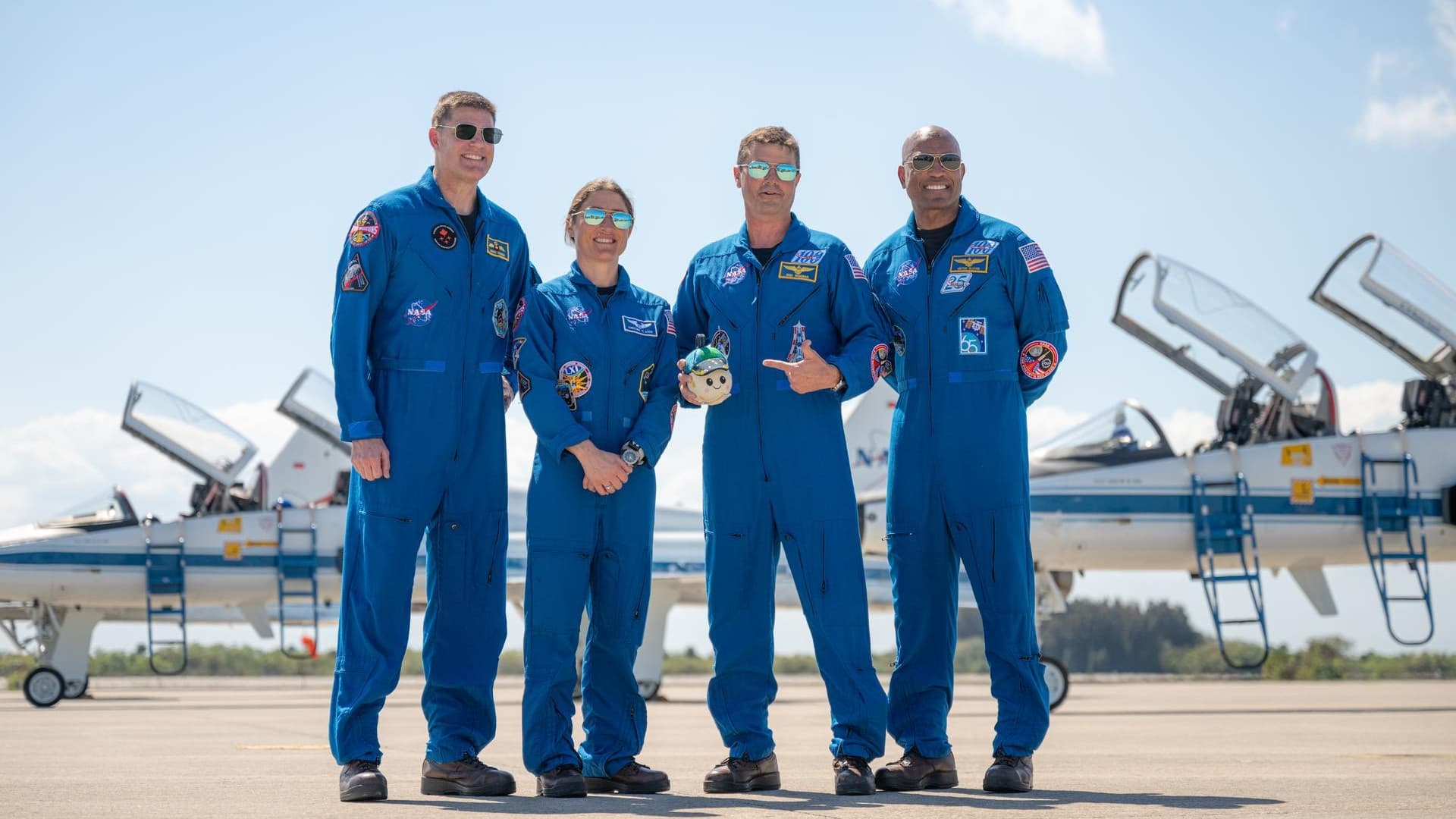
At 6:24 PM Eastern, we look towards the sky once more. Artemis II will launch from Kennedy Space Center, the first crewed mission beyond low Earth orbit in over fifty years. The four astronauts will go where only very few have been. As Reid Wiseman, the commander of the mission, told reporters in Florida last Friday: “Hey, let’s go to the moon. I think the nation and the world has been waiting a long time to do this again.”
He is not wrong about the waiting. And he is not wrong about the world needing it.
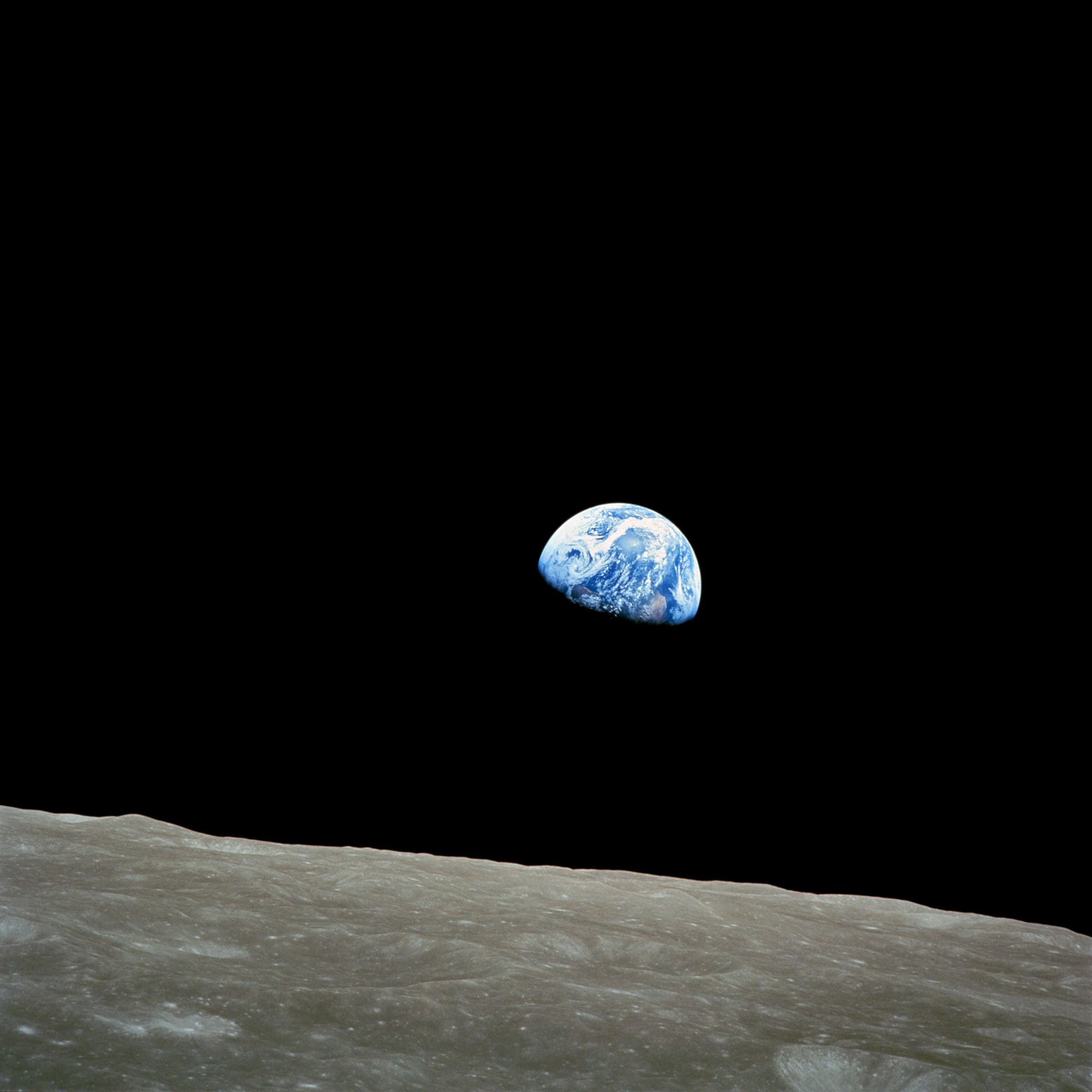
They will ride the most powerful rocket NASA has ever built on a ten-day journey around the moon and back. Their zero-gravity indicator, called “Rise”, was designed by a seven-year-old from California, inspired by the Earthrise photograph taken from Apollo 8 in 1968. The echoes are intentional.
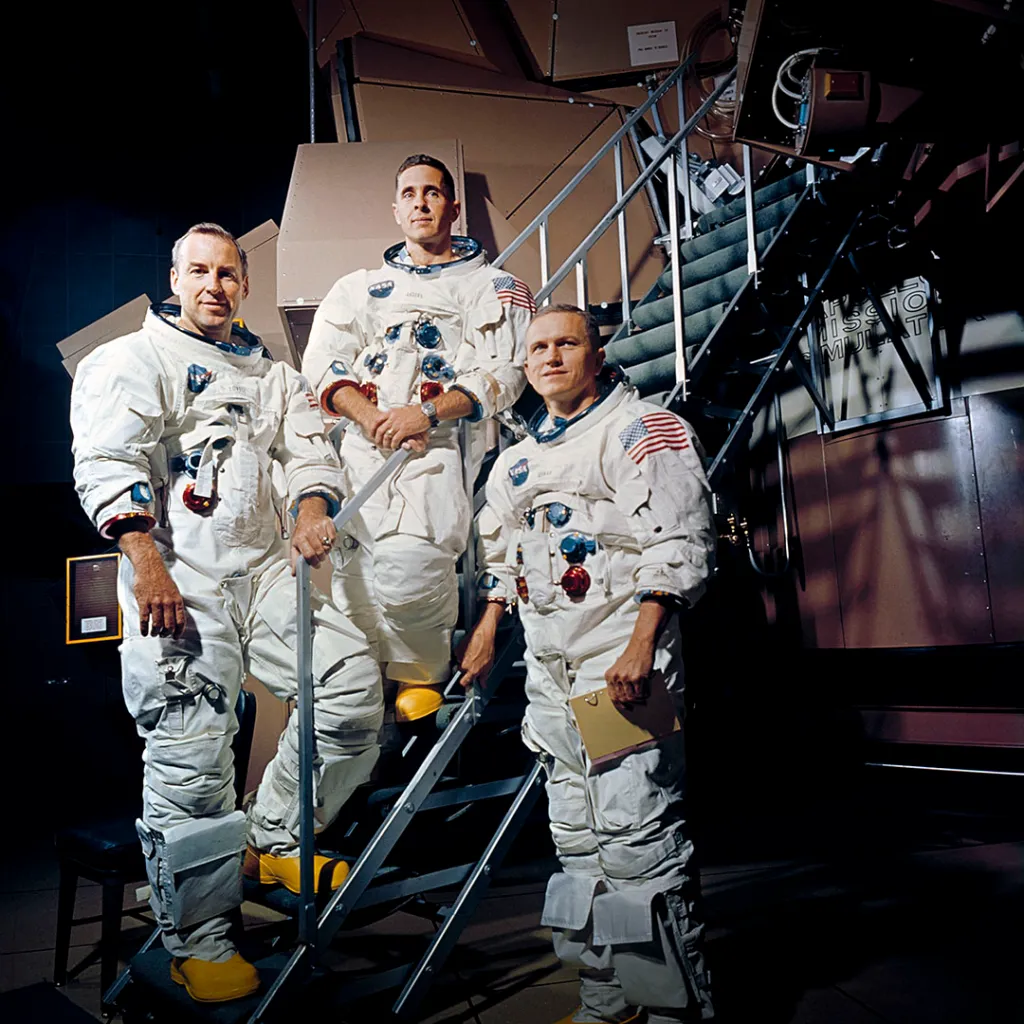
Apollo 8 launched on December 21, 1968. Its mission was to send three astronauts around the moon and back, the first time a crewed spacecraft had ever left Earth orbit, a critical test flight before any landing could be attempted. But in 1968 the world was preoccupied with what was happening on Earth. Martin Luther King Jr. was assassinated in April, and violent protests in over 100 cities followed, with the National Guard deployed to restore order. Not even two months later Bobby Kennedy was assassinated. The Vietnam War was raging, consuming thousands of lives with no end in sight, and the protests against it were tearing the country apart from the inside. The Soviet Union was pressing ahead with its own lunar program. By December, America was exhausted and divided in ways that felt irreparable.
Then, on Christmas Eve, something happened that nobody expected. As Apollo 8 completed its ninth orbit of the moon, the crew aimed their television camera at the lunar surface and began broadcasting grainy images of craters and ancient seas drifting silently below. A billion people across 64 countries were watching. It was the largest audience that had ever listened to a human voice. Bill Anders spoke first: "For all the people back on Earth, the crew of Apollo 8 has a message that we would like to send to you."
“In the beginning God created the heaven and the earth. And the earth was without form, and void; and darkness was upon the face of the deep. And the Spirit of God moved upon the face of the waters. And God said, Let there be light: and there was light”
Anders, Lovell, and Borman took turns reading the first ten verses of Genesis from the King James Bible, printed on fireproof paper and tucked into their flight plan. The passage was chosen for its universality. As Lovell later explained, Genesis is the foundation of most of the world's religions, and the story of light emerging from void felt like the only adequate thing a human being could say while looking down at the Earth from a quarter-million miles away. Borman closed the broadcast:
“And from the crew of Apollo 8, we close with good night, good luck, a Merry Christmas, and God bless all of you, all of you on the good Earth.”
Walter Cronkite, who had spent the year narrating assassinations and riots and a war that was consuming a generation, wept on live television. The shortest telegram the crew received when they came home read: “Thank you. You saved 1968.”
They did not, of course, save anything. Vietnam continued. The cities that burned did not rebuild overnight. The fractures remained. But something shifted in how people saw those fractures. Bill Anders went to photograph the moon and came home saying the crew had discovered the Earth. The Earthrise photograph he took that night became one of the most consequential images in human history. Small, blue, borderless, alone. Every war, every division, every argument was happening on that fragile marble suspended in black nothing. For a few hours, the sheer fact of human beings doing an extraordinary thing overwhelmed everything else.
That was 1968. Tonight we launch again, and the world we are launching from feels uncomfortably familiar. A war is raging overseas with no clear end. Allies are uncertain. The economy is straining under the weight of political decisions that ordinary people had no say in. At home, the divisions run so deep that even acknowledging them has become its own kind of argument. The national mood is exhaustion laced with dread. It is hard to remember the last time something happened that everyone could simply agree was good. Tonight, we look up again.
If the mission goes as planned, the crew will see portions of the lunar far side that no human eyes have ever observed. They will take photographs. They will, inevitably, turn the camera back toward Earth. And when that image arrives, it will show the same thing Anders saw in 1968: a planet with no visible borders, no visible wars, no visible divisions. Just a blue world, improbably alive, hanging in the dark.
Moonshots do not fix anything. They never have. They just remind us, for a few hours, that the same civilization tearing itself apart can also send its people to the moon and bring them home alive. That from far enough away, the fractures disappear, and what remains is just the Earth.
Godspeed, Artemis II.